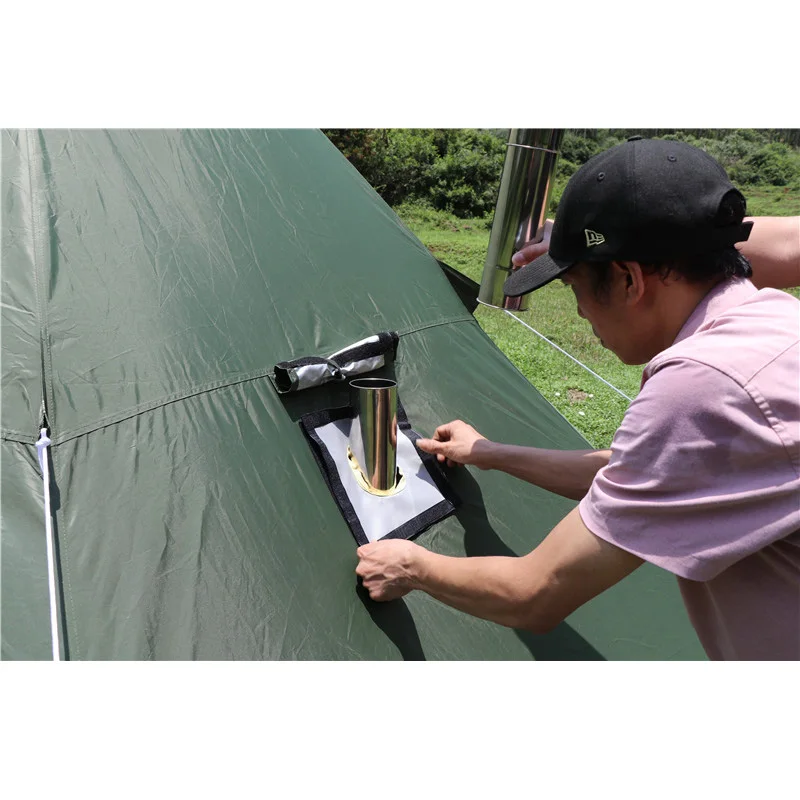
If you're a camping enthusiast who loves taking on do-it-yourself (DIY) projects, crafting your canvas tent stove jack can be a rewarding endeavor. A tent stove jack is an essential component that allows for the safe passage of a stovepipe through the canvas fabric of your tent. In this guide, we will explore the process of creating your canvas tent stove jack, providing you with a cost-effective and customized solution for your camping needs.
I. Understanding the Tent Stove Jack:
A tent stove jack is a specially designed opening in the canvas fabric of a tent that accommodates the passage of a stovepipe. It serves two primary functions:
1. Heat Retention: The stove jack prevents heat loss and drafts by creating a seal around the stovepipe, ensuring that the warmth generated by the stove stays inside the tent.
2. Safety and Ventilation: The stove jack allows for the safe venting of smoke and combustion gases produced by the stove, preventing the build-up of harmful fumes inside the tent.
II. Materials and Tools Needed:
To craft your canvas tent stove jack, you will need the following materials and tools:
1. Canvas Fabric: Choose a canvas fabric that is durable, heat-resistant, and suitable for outdoor use. Ensure that the fabric is large enough to accommodate the stovepipe diameter and provides sufficient space for the stove jack.
2. Heat-Resistant Material: Select a heat-resistant material, such as silicone or fiberglass, to create the actual stove jack. This material will provide insulation and prevent the fabric from being damaged by the hot stovepipe.
3. Heavy-Duty Thread or Sewing Machine: Depending on your sewing skills and preference, you can use heavy-duty thread and a needle or a sewing machine to stitch the canvas fabric and stove jack material together securely.
4. Scissors or Fabric Cutting Tools: Use scissors or fabric cutting tools to cut the canvas fabric and stove jack material to the required size and shape.
5. Measuring Tape or Ruler: Accurate measurements are crucial for creating a well-fitting stove jack. Use a measuring tape or ruler to ensure precise dimensions.
III. Crafting Your Canvas Tent Stove Jack:
Follow these steps to craft your canvas tent stove jack:
1. Plan and Measure: Determine the ideal location for the stove jack on your tent and carefully measure the diameter of the stovepipe. Use these measurements to determine the size of the stove jack opening and the corresponding fabric and stove jack material dimensions.
2. Cut the Canvas Fabric: Using your measurements, cut a hole in the canvas fabric that matches the size of the stove jack opening. Leave a small seam allowance around the hole for stitching.
3. Cut the Stove Jack Material: Cut a piece of heat-resistant material, such as silicone or fiberglass, slightly larger than the stove jack opening. This will allow for a secure and insulated fit.
4. Stitch the Stove Jack Material: Position the stove jack material over the hole in the canvas fabric, ensuring that it covers the entire opening. Stitch the edges of the stove jack material to the canvas fabric using heavy-duty thread or a sewing machine. Make sure the stitches are strong and secure to withstand the heat and tension.
5. Test and Install: Before using your newly crafted stove jack, conduct a test by inserting the stovepipe through the opening. Ensure that the fit is snug and that there are no gaps or leaks. Once satisfied, install the stove jack in the desired location on your tent, securing it firmly in place.
Conclusion:
Crafting your canvas tent stove jack provides a rewarding DIY camping solution that allows for a customized and cost-effective approach to tent stove ventilation. By understanding the functions of a stove jack, gathering the necessary materials and tools, and following the step-by-step process outlined in this guide, you can create a tailored stove jack that enhances the safety and efficiency of your camping experience. Embrace the creativity and satisfaction of DIY projects, and enjoy the warmth and comfort of your personalized canvas tent stove jack on your future outdoor adventures.